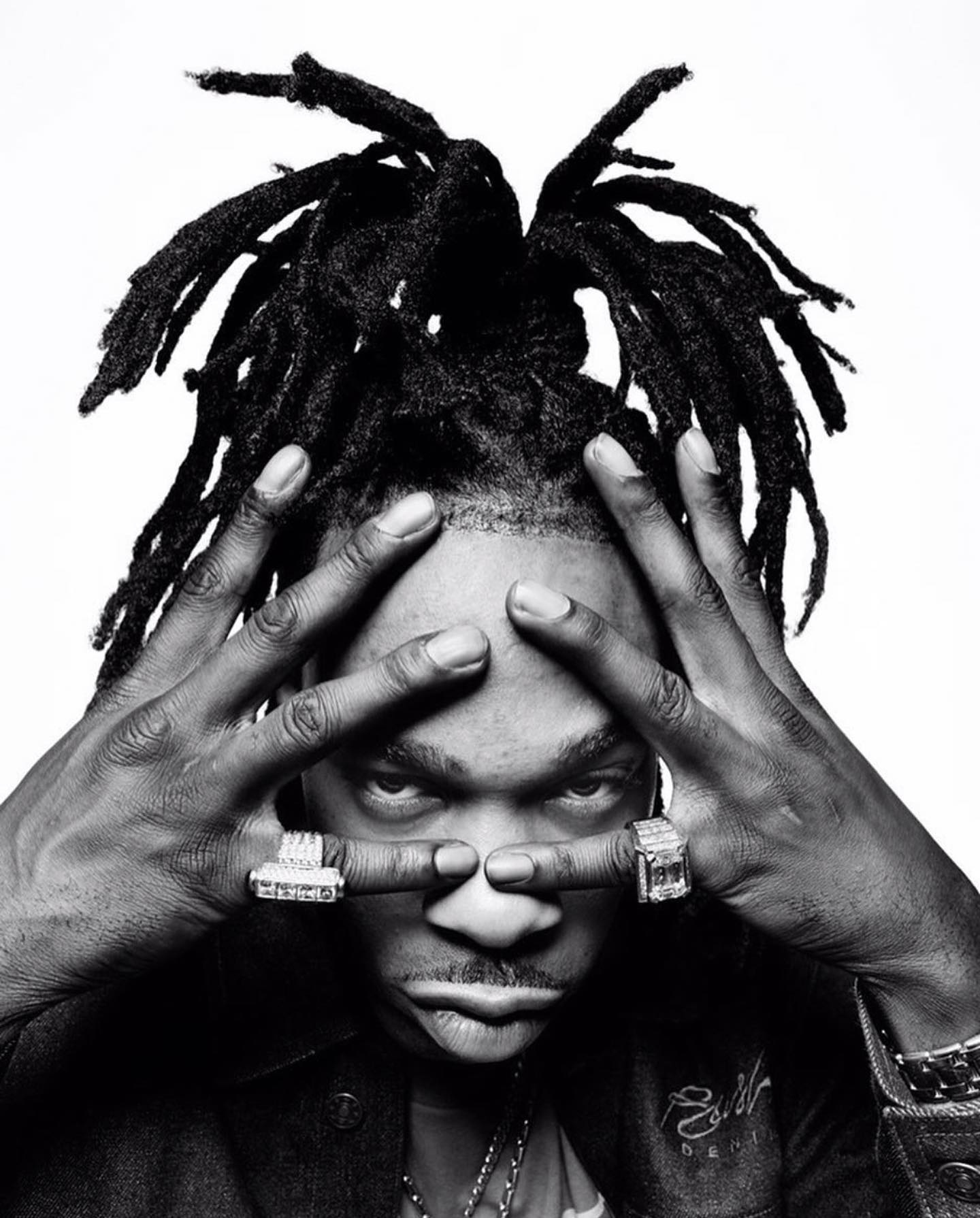
From Medellín Roots to Oklahoma Exchange: How Heavy Metal & Hip-Hop Shaped José Álvaro Osorio Balvín
José Álvaro Osorio Balvín was born on May 7, 1985, in Medellín, Colombia. Growing up in a middle-class household, he was raised in a comfortable residential neighborhood outside the city. His father, José Álvaro Osorio, held a doctorate in international business and worked as a distribution merchant, while his mother, Alba Mery Balvín, studied medicine before focusing on raising José and his younger sister, Carolina. From an early age, Balvin showed an acute sensitivity to sound and visual style, listening to rock bands like Metallica, Nirvana, and Sepultura. The heavy guitar riffs and counterculture energy of 1990s rock shaped his early artistic sensibilities, long before he ever considered a career in urban pop or reggaeton.
During his mid-teens, his family experienced severe financial hardship when his father’s business went bankrupt. The economic reversal forced the family to move to a more modest neighborhood, giving young José a firsthand look at financial insecurity and resilience. Driven by a desire to broaden his horizons and master English, he joined an exchange program at the age of 17 and moved to Atoka, Oklahoma. The transition proved culturally challenging, but it exposed him to American hip-hop, R&B, and pop culture. He later moved to Staten Island, New York, living with an aunt and working odd jobs—painting houses, walking dogs, and doing manual labor—while soaking in the underground hip-hop culture of New York City. Listening to artists like 50 Cent, Jay-Z, and Snoop Dogg, he realized that urban music could be a powerful engine for storytelling and entrepreneurship.
Returning to Medellín, Balvin enrolled at the prestigious EAFIT University to study international business and communication. However, his true passion lay in music. He began performing in local clubs, freestyle rap battles, and university showcases under the stage name ‘J Balvin’ (‘El Negocio’, meaning ‘The Business’). Recognizing that his son was fully committed to music, his father stepped in as his initial manager, helping him book independent gigs across Colombia. Balvin spent seven years relentlessly touring small venues, local radio stations, and high school festivals, building a grassroots audience brick by brick. His early releases, including singles like ‘Ella Me Cautivó’ and ‘Sin Compromiso’, gained steady airplay in Colombia, signaling the emergence of a fresh, melodic voice in Latin urban music.

Refining Colombian Urban Pop: José Álvaro Osorio Balvín Inks Major Deal & Reinvents Reggaeton Melodies
By the early 2010s, reggaeton was largely dominated by Puerto Rican pioneers who established the genre’s hard-hitting beats and street aesthetics. J Balvin set out to create a distinct Colombian style—characterized by smoother melodies, polished pop hooks, and accessible, romantic lyrics that broadened the genre’s appeal beyond traditional underground circles. In 2012, he signed a major record deal with EMI Music Colombia (and later Universal Music Latino), setting the stage for his commercial breakthrough across Latin America.
The pivotal turning point in Balvin’s career arrived in 2013 with the release of the single ‘6 AM’, featuring Puerto Rican artist Farruko. Built around a infectious synth riff and a relatable narrative about a wild night out, the song exploded across radio stations throughout Latin America and the United States. ‘6 AM’ peaked at number one on the Billboard Latin Airplay chart and earned a Diamond certification from the RIAA Latin division. The track’s massive success proved that a Colombian artist could lead the reggaeton movement, breaking the long-standing Puerto Rican monopoly on the genre. The release of his third studio album, La Familia (2013), solidified his status as a major new force, garnering his first nomination at the Latin Grammy Awards and showcasing a modern sound that blended reggaeton with contemporary R&B and electronic pop.
3. Multi-Platinum Discography, Stadium Tours & Sound Evolution
Chart Domination: How '6 AM', 'Ay Vamos', and 'Ginza' Cemented José Álvaro Osorio Balvín's Streaming Records
If ‘6 AM’ introduced J Balvin to the Latin American market, his 2015 single ‘Ginza’ catapulted him into international chart history. Built on a minimal, hypnotic beat, ‘Ginza’ spent an astounding 22 consecutive weeks at number one on the Billboard Hot Latin Songs chart, breaking the record for the longest reign by a solo artist. The song entered the Billboard Hot 100 and achieved platinum status across Europe and the Americas, earning Balvin a Guinness World Record for the longest stay at the top of the Hot Latin Songs chart by a single artist. His 2016 album, Energía, debuted at number one on the Billboard Top Latin Albums chart and won the Latin Grammy for Best Urban Music Album. Featuring collaborations with Pharrell Williams (‘Safari’) and Daddy Yankee, Energía established Balvin as a visionary bridge between Latin urban music and global pop royalty.

In mid-2017, Balvin released ‘Mi Gente’, a collaboration with French producer Willy William. Reimagining William’s track ‘Voodoo Song’, ‘Mi Gente’ featured an undeniable afro-fusion rhythm and a unifying message of global cultural pride. The song became a planetary phenomenon, reaching number one on Spotify’s Global Top 50 chart and accumulating billions of views on YouTube. The song’s cultural footprint grew even larger when international icon Beyoncé joined Balvin on an official remix, donating her proceeds to hurricane relief charities. The remix peaked at number three on the US Billboard Hot 100, marking one of the highest chart positions for a Spanish-language track in American music history and proving that non-English tracks could dominate global pop radio without translating lyrics into English.
Conquering Coachella & Global Arenas: José Álvaro Osorio Balvín’s Live Tour Spectacles
Between 2018 and 2020, J Balvin reached an unprecedented level of global influence. In May 2018, he released his landmark fifth studio album, Vibras. The critically acclaimed project featured hits like ‘Machika’ and ‘Ahora’, blending reggaeton with global dancehall, house, and traditional Latin rhythms. Rolling Stone placed Vibras on its list of the 500 Greatest Albums of All Time, praising its sonic sophistication. That same year, Balvin collaborated with American rapper Cardi B and Bad Bunny on the summer anthem ‘I Like It’. Sampling Pete Rodriguez’s 1967 boogaloo classic ‘I Like It Like That’, the song surged to number one on the Billboard Hot 100, earning Balvin his first US chart-topper and a Grammy Award nomination for Record of the Year.

Balvin continued his record-breaking streak in 2019 by releasing Oasis, a collaborative album with Puerto Rican superstar Bad Bunny. The eight-track album debuted at number nine on the Billboard 200 and topped the Top Latin Albums chart, spawning massive hits like ‘Qué Pretendes’ and ‘La Canción’. In April 2019, Balvin made history as the first Latin artist to headline the main stage at the Coachella Valley Music and Arts Festival, delivering a colorful, high-concept performance that celebrated the history of reggaeton. His global victory lap reached a crescendo in February 2020, when he performed alongside Jennifer Lopez, Shakira, and Bad Bunny at the Super Bowl LIV Halftime Show in Miami, viewed by over 100 million television audience members worldwide. In March 2020, he released his concept album Colores, where every track was named after a color, paired with futuristic visual art by Japanese artist Takashi Murakami. The album won the Latin Grammy for Best Urban Music Album, cementing his peak era of artistic success.
Cross-Cultural Crossovers: José Álvaro Osorio Balvín's Landmark Track Collaborations with Beyoncé, Pharrell & Bad Bunny
Over his multi-decade career, J Balvin has transformed the mechanics of global music distribution. By insisting on singing exclusively in Spanish—even when collaborating with English-speaking superstars such as Justin Bieber, Dua Lipa, Ed Sheeran, Ariana Grande, and Coldplay—he dismantled the long-held industry belief that Latin artists had to ‘crossover’ into English to achieve worldwide pop success. Instead, he forced the global mainstream to cross over to Spanish.
His honors include five Latin Grammy Awards, eleven Billboard Latin Music Awards, six Latin American Music Awards, and multiple Grammy nominations. In 2020, TIME magazine named him one of the 100 Most Influential People in the World. Moreover, Balvin became the first Latin artist to achieve over 1 billion views on thirteen different YouTube music videos, a testament to his unmatched digital streaming presence. His ability to fuse reggaeton with afrobeat, electronic dance music, house, and trap has influenced a new generation of Latin artists worldwide.
Behind 'El Negocio': The Private World, Family Life, and Romance of José Álvaro Osorio Balvín
Despite his vibrant stage persona and flashy fashion, J Balvin keeps his private life relatively guarded. He has been open about his upbringing in Medellín and maintains close bonds with his parents and sister. His mother, Alba Mery, remains a central figure in his life, and Balvin frequently credits her spiritual guidance and unconditional support for keeping him grounded throughout his rise to fame.
Balvin’s romantic life has centered around his long-term relationship with Argentine model and actress Valentina Ferrer, who won Miss Argentina 2014. The couple first met in 2017 on the set of his music video for ‘Sigo Extrañándote’, where Ferrer starred as his romantic interest. What began as a professional meeting soon developed into a quiet romance. While they briefly kept their relationship out of the tabloid spotlight, they made their first major public appearance together at the 2018 Latin Grammy Awards.

In April 2021, the couple officially announced they were expecting their first child through a cover story with Vogue Mexico. On June 27, 2021, Valentina gave birth to their son, Río Osorio Ferrer, in New York City. The birth of his son marked a major life milestone for Balvin, who has frequently expressed how fatherhood altered his priorities, encouraging him to step back from non-stop touring to focus on family life. The family splits their time between their homes in Medellín, Colombia, and New York City.
Balvin has also been widely praised for his transparency regarding mental health. He has candidly discussed his long battles with severe anxiety and clinical depression, conditions that at times forced him to pause his career activities. By speaking openly about therapy, psychiatric medication, and emotional vulnerability, Balvin has helped break longstanding cultural taboos surrounding mental health awareness within the Latin American community.
Public Backlash & Industry Friction: Navigating High-Stakes Scandals in José Álvaro Osorio Balvín's Career
The 'Perra' Video Backlash: Tokischa's Collaboration, Public Apologies, and Video Takedowns
In October 2021, J Balvin faced the most intense public backlash of his career following the release of the music video for ‘Perra’, a collaborative single with Dominican rapper Tokischa. Directed by Raymi Paulus and filmed in Santo Domingo, the video featured visual imagery that generated immediate outrage worldwide. Critics pointed out that Afro-Dominican women were portrayed wearing dog prosthetics and collars while being held on leashes by Balvin. The imagery was widely condemned as misogynistic, degrading, and anti-Black.
The controversy quickly escalated beyond music blogs into international news outlets and political spheres. High-ranking figures, including Colombia’s Vice President and Chancellor Marta Lucía Ramírez, published an open letter condemning the video for promoting racist and sexist tropes. Even Balvin’s mother, Alba Mery, publicly expressed her disappointment in a television interview, stating that the video did not reflect the values of the son she raised. Recognizing the severity of the backlash, YouTube quietly pulled the video from its platform. On October 24, 2021, Balvin posted an official video apology on his social media accounts. He apologized directly to the Black community and to his mother, stating that his intention had been to support Tokischa as an independent female artist, but acknowledging that the visual execution was deeply offensive and indefensible.
The 2021 Latin Grammys Boycott: Residente's Viral Diss Track and Industry Tensions
Prior to the ‘Perra’ controversy, Balvin sparked a major industry dispute in September 2021 when the nominees for the 22nd Annual Latin Grammy Awards were announced. Disappointed by what he perceived as a lack of recognition for urban music artists in main categories, Balvin took to Twitter calling for a genre-wide boycott of the ceremony. He wrote that the academy did not respect reggaeton artists despite relying on them for television ratings. His boycott call drew immediate criticism from fellow musicians who pointed out that the 2021 ceremony was slated to honor legendary Cuban singer Rubén Blades, and that smaller artists needed the Latin Grammys platform for career exposure.
The response turned into an explosive feud when René Pérez Joglar, known as Residente (former frontman of Calle 13), posted a video addressing Balvin directly. Residente famously criticized Balvin’s artistic integrity, comparing his music to a ‘hot dog cart’—arguing that while hot dogs are popular, people go to Michelin-starred restaurants when they want quality music. Balvin initially capitalized on the insult by posing next to a hot dog cart and releasing limited-edition hot dog merchandise. However, the dispute escalated dramatically in March 2022 when Residente released an eight-minute freestyle track with Bizarrap (‘BZRP Music Sessions, Vol. 49’). In the track, Residente launched an aggressive attack against Balvin, calling him out for using ghostwriters, failing to speak up during political unrest in Colombia, exploiting racial controversies, and prioritizing corporate branding over genuine art. The feud ignited intense debates across the Latin music industry regarding commercial pop reggaeton versus authentic hip-hop storytelling.

National Unrest & Afro-Latino Award Debates: José Álvaro Osorio Balvín's Path to Career Recovery
Balvin faced further criticism during the 2021 Colombian national protests (Paro Nacional). As citizens took to the streets to protest proposed tax reforms and police brutality, fans criticized Balvin for issuing neutral, generic social media posts advocating for peace rather than directly holding the government accountable. Critics contrasted his hesitant response with other Colombian artists who used their platforms to directly support protesters. Later that year, Balvin accepted the ‘Afro-Latino Artist of the Year’ title at the 2021 African Entertainment Awards USA. The decision caused significant backlash online, as critics pointed out that Balvin is a fair-skinned mestizo man who does not identify as Afro-Latino. He later clarified that he accepted the award to acknowledge the influence of African culture on urban music, while apologizing for the confusion.
Following these consecutive public relations crises in late 2021 and early 2022, Balvin made a conscious choice to step back from the public eye. He scaled back his social media presence, paused major album releases, and dedicated time to his mental wellness and family life. This period of reflection allowed the storm to settle. By mid-2023, he began making his return to the stage, performing at international festivals and releasing new material like ‘Dientes’ (featuring Usher and DJ Khaled). His ability to learn from these missteps, address his errors publicly, and focus on his artistic roots demonstrated a steady maturity that helped rebuild his relationship with fans.
'Latino Gang' Global Movement: The Sonic Signature and Billion-Stream Milestones of José Álvaro Osorio Balvín
J Balvin’s cultural impact extends far beyond his musical output; he is widely recognized as a global fashion icon. Rejecting traditional urban stereotypes, Balvin embraced high-fashion aesthetics, sporting bold neon hair colors, avant-garde streetwear, and luxury designer pieces from houses like Dior, Louis Vuitton, and Supreme. In 2020, he made history as the first Latin artist to collaborate with Nike’s Jordan Brand, releasing the highly sought-after Air Jordan 1 ‘Colores y Vibras’. The sneaker featured tie-dye canvas and custom patches, selling out in seconds globally. Subsequent sneaker releases, including his Air Jordan 2 and Air Jordan 3 collaborations inspired by Medellín sunsets, solidified his standing in global sneaker culture.
On social media, Balvin boasts a massive digital footprint, with tens of millions of followers across Instagram, TikTok, YouTube, and X (formerly Twitter). He uses his platforms to preview new music, showcase his eclectic fashion choices, share lighthearted humor, and post personal updates about his mental health journey. His willingness to display vulnerability online has fostered a close, empathetic connection with fans around the globe.
7. Next Album Projects, Creative Collaborations & Future Horizons
Entering the mid-2020s, J Balvin continues to expand his creative and business empire. Following his self-imposed hiatus, he returned to the studio with a renewed artistic vision, working on his seventh studio album, Rayo. The project highlights his signature upbeat reggaeton roots while integrating modern electronic dance music and afrobeat textures, featuring collaborations with emerging Latin urban talents.
In addition to music, Balvin continues to broaden his entrepreneurial ventures. He has expanded his investments in mental health platforms, wellness apps, and sustainable fashion lines. He also remains active in philanthropy through his ‘Vibra en Alta’ foundation, which supports underprivileged youth in Colombia by providing educational resources, musical training, and mental health services. As he balances international arena tours with his role as a father, J Balvin continues to cement his legacy as one of the most influential Latin artists in modern music history.
José Álvaro Osorio Balvín FAQs: Key Questions Answered
How old is J Balvin?
J Balvin was born on May 7, 1985. He is currently 41 years old.
Who is J Balvin dating or married to?
J Balvin is in a long-term relationship with Argentine model and Miss Argentina 2014 winner Valentina Ferrer. The couple has been together since 2018 and shares a son named Río, born in June 2021.
What is J Balvin’s most famous song?
J Balvin has several massive global hits, but his most defining tracks include ‘Mi Gente’ (with Willy William and Beyoncé), ‘Ginza’, ‘6 AM’ (featuring Farruko), and ‘I Like It’ (with Cardi B and Bad Bunny), the latter of which hit number one on the US Billboard Hot 100.
What awards has J Balvin won?
J Balvin has won five Latin Grammy Awards, eleven Billboard Latin Music Awards, six Latin American Music Awards, and has received multiple Grammy nominations. He also holds a Guinness World Record for the longest stay at number one on the Billboard Hot Latin Songs chart by a solo artist for ‘Ginza’.