1. Origins, Early Vocal Training & The Making of a Musician
William Sami Étienne Grigahcine was born on June 13, 1986, in Paris, France, and spent his formative years in the working-class suburb of Ermont, located in the Val-d’Oise department northwest of Paris. Born to an Algerian mother and a French father, William was raised in an environment shaped by rich cultural duality, modest financial resources, and the rough-and-tumble grit typical of Parisian banlieues. Growing up in a single-parent household after his father departed early in his life, William witnessed his mother work tirelessly to provide for him and his brother, instilling in him a relentless work ethic and an unwavering drive to transcend his socioeconomic circumstances.
During his early adolescence, William found solace and artistic expression in urban street culture. He became heavily involved in the Parisian graffiti scene, earning a reputation among his peers for his agility and uncanny talent for dodging local authorities while tagging walls across the city. It was during these teenage exploits that his friends bestowed upon him the moniker ‘Snake’—a reference to his elusive nature. While he initially disliked the name, he ultimately adopted ‘DJ Snake’ when he began spinning records, reasoning that while it sounded somewhat cliché, it carried authentic street roots that reflected where he came from.
A pivotal catalyst occurred in 1995 when a nine-year-old William watched the iconic French film La Haine. A specific scene featuring DJ Cut Killer mixing N.W.A’s ‘Express Yourself’ with Édith Piaf’s ‘Non, je ne regrette rien’ from a apartment window ignited an absolute obsession with turntablism and music production. By age 14, William was spending every waking hour honing his DJing technique. Recognizing that traditional academic environments did not align with his creative ambitions, he made the bold decision to drop out of school at age 15. He secured a job at ‘Street Sound,’ a renowned record shop in central Paris. Immersed in vinyl culture, he devoured classic hip-hop, reggae, electronic house, and traditional North African Rai rhythms, absorbing a diverse sonic palette that would later become the trademark foundation of his global music empire.
2. The Sonic Breakthrough: First Chart Debuts & Global Recognition
By age 19, William had transitioned from vinyl mixing to full-scale audio production. Performing at various local Parisian nightclubs, his explosive sets and eclectic track selections caught the attention of veteran music manager Steve Goncalves in 2005. Goncalves recognized Grigahcine’s innate ability to fuse heavy urban basslines with soaring European dance melodies and encouraged him to create original compositions for international artists rather than remaining confined to the French club circuit.
DJ Snake’s first major international breakthrough came behind the scenes in 2011 when he was tapped to collaborate on American pop icon Lady Gaga’s album Born This Way. Serving as a producer on tracks including ‘Government Hooker,’ his work contributed to an album that garnered a Grammy nomination for Album of the Year in 2012. This high-profile co-sign granted DJ Snake instant credibility in Los Angeles and Miami studios, leading to further high-octane production collaborations, such as remixing Kanye West‘s ‘New Slaves’ and Duck Sauce’s ‘It’s You.’
In February 2013, DJ Snake released ‘Bird Machine’ featuring French trap duo Trapkeeper on Diplo‘s Mad Decent label. The track’s infectious whistling hook and heavy 110 BPM trap bounce became an instant festival staple. However, it was later that same year that DJ Snake unleashed a culture-shifting phenomenon that would permanently alter the trajectory of modern electronic and hip-hop music: ‘Turn Down for What’ featuring Crunk legend Lil Jon. Released in December 2013, the track combined aggressive trap brass, sub-bass distortion, and Lil Jon’s commanding vocals. It exploded globally, entering the top five of the US Billboard Hot 100, achieving multi-platinum certification worldwide, and racking up over a billion streams. Its wildly surreal music video—directed by the Daniels (Daniel Kwan and Daniel Scheinert)—won Best Direction at the MTV Video Music Awards and earned a Grammy nomination for Best Music Video, cementing DJ Snake as an explosive powerhouse in global pop culture.
3. Chart-Topping Catalog, World Tours & Industry Accolades
3.1. Landmark Singles & Multi-Platinum Album Era
Following the monumental success of ‘Turn Down for What,’ DJ Snake proved he was anything but a one-hit wonder. In late 2014, he teamed up with electronic producer Mercer and vocal group AlunaGeorge to release ‘You Know You Like It’. The track transformed AlunaGeorge’s minimalist indie-R&B song into an infectious, slow-burning crossover smash that topped the Billboard Dance/Mix Show Airplay chart and peaked inside the top 15 of the Hot 100.
However, 2015 brought a record-shattering anthem that redefined streaming history. Collaborating with American electronic group Major Lazer and Danish singer MØ, DJ Snake co-wrote and produced ‘Lean On.’ Released in March 2015, the song blended tropical house, moombahton, and global dance-pop with an iconic pitch-shifted vocal synthesizer hook. ‘Lean On’ became a global sensation, reaching number one in over 20 countries and officially becoming Spotify’s most-streamed track of all time up to that point, surpassing 1 billion plays. It propelled DJ Snake into the top tier of international festival headliners, securing prime spots at Ultra Music Festival, Tomorrowland, and Coachella.

3.2. Headline Festival Appearances & International Renown
In August 2016, DJ Snake released his long-awaited debut studio album, Encore, through Interscope Records. The project served as a definitive showcase of his sonic versatility, spanning trap, hip-hop, dubstep, electro-house, and ambient soundscapes. The album debuted at number one on Billboard’s Top Dance/Electronic Albums chart and featured collaborations with Skrillex, Young Thug, Travis Scott, and Jeremih.
The crown jewel of Encore was its lead single, ‘Let Me Love You,’ featuring global pop megastar Justin Bieber. Combining soft tropical melodies with an emotional vocal delivery and an anthemic drop, the track became an instantaneous worldwide monster hit, topping charts across Europe, Australia, and North America, while reaching multi-platinum status across dozens of territories.
Refusing to sit still, DJ Snake continued his chart dominance in September 2018 by releasing the bilingual reggaeton-dancehall blockbuster ‘Taki Taki.’ Bringing together Puerto Rican star Ozuna, American pop icon Selena Gomez, and hip-hop royalty Cardi B, the song became a massive global phenomenon. The track achieved one billion YouTube views faster than almost any video in history, dominating charts across Latin America, Europe, and the United States, and solidifying DJ Snake’s mastery over global latin-crossover pop music.

3.3. Sonic Reinvention, Grammy Triumphs & Songwriting Mastery
In July 2019, DJ Snake released his sophomore studio album, Carte Blanche. Featuring hits like ‘Magenta Riddim,’ ‘Loco Contigo’ (with J Balvin and Tyga), and ‘Taki Taki,’ the album paid homage to his global travels while keeping a strong connection to his French roots. To celebrate the release, DJ Snake achieved historical live performance milestones, including performing on top of the Arc de Triomphe in Paris and hosting a massive sold-out solo concert at Paris’s Accor Arena for 20,000 fans.
Throughout the early 2020s, DJ Snake continued to pioneer cross-genre collaborations. In October 2021, he teamed up with Blackpink’s Lisa, Megan Thee Stallion, and Ozuna for the international mega-collaboration ‘SG’ (Sami Gomez). He also expanded his entrepreneurial footprint by establishing his record label, Premiere Classe Records, and co-founding the famed French DJ collective ‘Pardon My French’ alongside Tchami, Mercer, and Malaa, designed to champion French electronic talent globally. In May 2022, he achieved another historic benchmark by performing a solo stadium show at the Parc des Princes in Paris before 63,000 attendees.
4. Romance, Confidants & Life Behind the Microphone
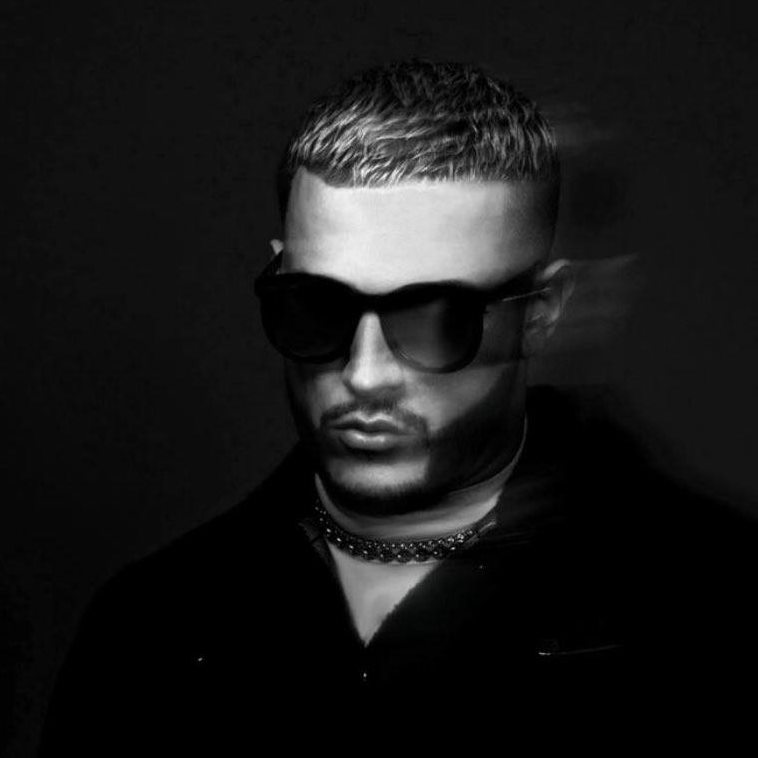
Despite being one of the most visible electronic artists on the planet, William Grigahcine maintains an exceptionally guarded approach to his personal life. He deliberately separates his public persona as DJ Snake from his private life as William, rarely granting access to his intimate personal space. His iconic dark sunglasses—which he wears at almost all public appearances, interviews, and concerts—were originally adopted early in his career to combat performance anxiety and maintain a sense of anonymity when traveling through crowded airports and public places.
Regarding his romantic history, DJ Snake has never been married and has kept his dating life completely away from the tabloid glare. While rumors have periodically linked him to various international models, influencers, and music collaborators over the years, he has never publicly confirmed a romantic relationship. As of today, he remains single, publicly maintaining that his intense touring schedule and constant studio commitments leave little room for settled family life. He does not have any publicly known children.
Family remains DJ Snake’s ultimate anchor. He retains a deeply devoted relationship with his Algerian mother, often crediting her sacrifices for giving him the strength to overcome poverty and pursue music. He remains fiercely proud of his French-Algerian heritage, often incorporating traditional North African percussion and scale structures into his compositions. An avid sports fan, DJ Snake is a passionate supporter of the football club Paris Saint-Germain (PSG) and frequently attends matches at the Parc des Princes alongside international celebrities. When away from the mixing console, he enjoys collecting high-end streetwear, retro sneakers, and immersing himself in contemporary street art.

5. Tabloid Storms, Copyright Disputes & Creative Comebacks
5.1. Resolving the Golden Crown Publishing Dispute Over 'Turn Down For What'
While ‘Turn Down for What’ launched DJ Snake into international superstardom, its meteoric rise was eventually trailed by intense legal warfare. In May 2017, a group of songwriters filed a high-profile copyright infringement lawsuit in North America against DJ Snake, Lil Jon, and their record labels. The plaintiffs alleged that the instrumental foundation, rhythmic beat, chords, and vocal hook structure of ‘Turn Down for What’ were directly lifted from an earlier song.
The legal dispute created shockwaves across the electronic dance music industry. Copyright experts noted that because the song generated tens of millions of dollars in mechanical royalties, performance rights, and sync licenses for television and film, potential financial damages were enormous. Legal teams representing DJ Snake vigorously defended the track’s originality, emphasizing that the song’s key elements stemmed from classic crunk rhythm structures and original sound synthesis created in his studio. While the lawsuit proceeded through federal discovery, the involved parties eventually resolved the matter behind closed doors. The legal battle served as a dramatic wake-up call regarding the intense scrutiny that accompanies multi-billion-stream mega-hits.
5.2. Public Feuds with DJ Diplo and Ultra Music Festival Stage Conflicts
Known for his unfiltered personality and fierce dedication to creative integrity, DJ Snake has occasionally found himself at the center of heated industry feuds. In 2016, during a high-profile feud involving dance music titan Deadmau5, public verbal sparring erupted over track production choices, stage aesthetics, and pop music crossovers. DJ Snake held his ground, defending his artistic choices and rejecting traditionalist gatekeeping within the electronic genre.
In addition, DJ Snake faced public scrutiny during the peak of festival cancellations and contract disputes during the global pandemic in 2020–2021. Vocal about promoter practices, payment delays for touring crews, and live sound safety standards, his outspoken nature occasionally put him at odds with major festival organizers. However, his willingness to advocate for independent crew members and artists earned him widespread respect among industry peers, demonstrating a resilience that consolidated his stature as a formidable, self-made powerhouse who refuses to compromise his values.

6. Stage Presence, Fashion Iconography & Pop Culture Influence
DJ Snake’s distinctive aesthetic is immediately recognizable across global pop culture. Defined by tailored luxury streetwear, dark designer sunglasses, fresh athletic footwear, and clean geometric haircuts, his look seamlessly bridges Parisian high fashion and street style. His image has made him a coveted icon for fashion houses, leading to major brand partnerships with Puma, Hublot, and various luxury streetwear labels.
With an incredible digital presence—boasting over 10 million followers on Instagram, tens of millions of monthly Spotify listeners, and billions of views on YouTube—DJ Snake commands an exceptionally loyal global fan base. His music has served as a bridge connecting distinct music worlds: Western EDM, American Hip-Hop, Latin Reggaeton, and Middle Eastern/North African ethnic soundscapes. By championing French electronic music alongside his ‘Pardon My French’ colleagues, he helped usher in a new golden era for French producers on the international stage.
7. Creative Evolution, Future Collaborations & Musical Roadmap
Looking toward the future, DJ Snake shows no signs of slowing down his global momentum. Following his sold-out stadium shows in Europe and headlining sets across Asia and North America, he continues to work on new multi-genre solo material and explosive collaborative singles. His record label, Premiere Classe, actively signs and develops emerging electronic producers from South America, Europe, and Asia, fulfilling his goal of giving back to the underground scene that launched his career.
In addition to upcoming album projects, DJ Snake is expanding into soundtrack composition, fashion design, and immersive live event concepts. With his eye continually fixed on pushing creative boundaries, William Grigahcine remains committed to evolution—proving that a kid with a spray-paint can from the suburbs of Paris can indeed sculpt the sound of global dance music for generations to come.
8. William Sami Étienne Grigahcine FAQs: Key Questions Answered
How old is DJ Snake?
DJ Snake was born on June 13, 1986, making him 40 years old.
What is DJ Snake’s real name?
His full legal name is William Sami Étienne Grigahcine.
Who is DJ Snake dating or married to?
DJ Snake is single and has never been married. He keeps his romantic life private and away from media spotlight.
What is DJ Snake’s most famous song?
His most famous tracks include ‘Turn Down for What’ (with Lil Jon), ‘Lean On’ (with Major Lazer), ‘Let Me Love You’ (featuring Justin Bieber), and ‘Taki Taki’ (featuring Selena Gomez, Ozuna, and Cardi B).
Why does DJ Snake always wear sunglasses?
He began wearing dark sunglasses early in his career to deal with performance anxiety and to maintain personal privacy when traveling in public.


