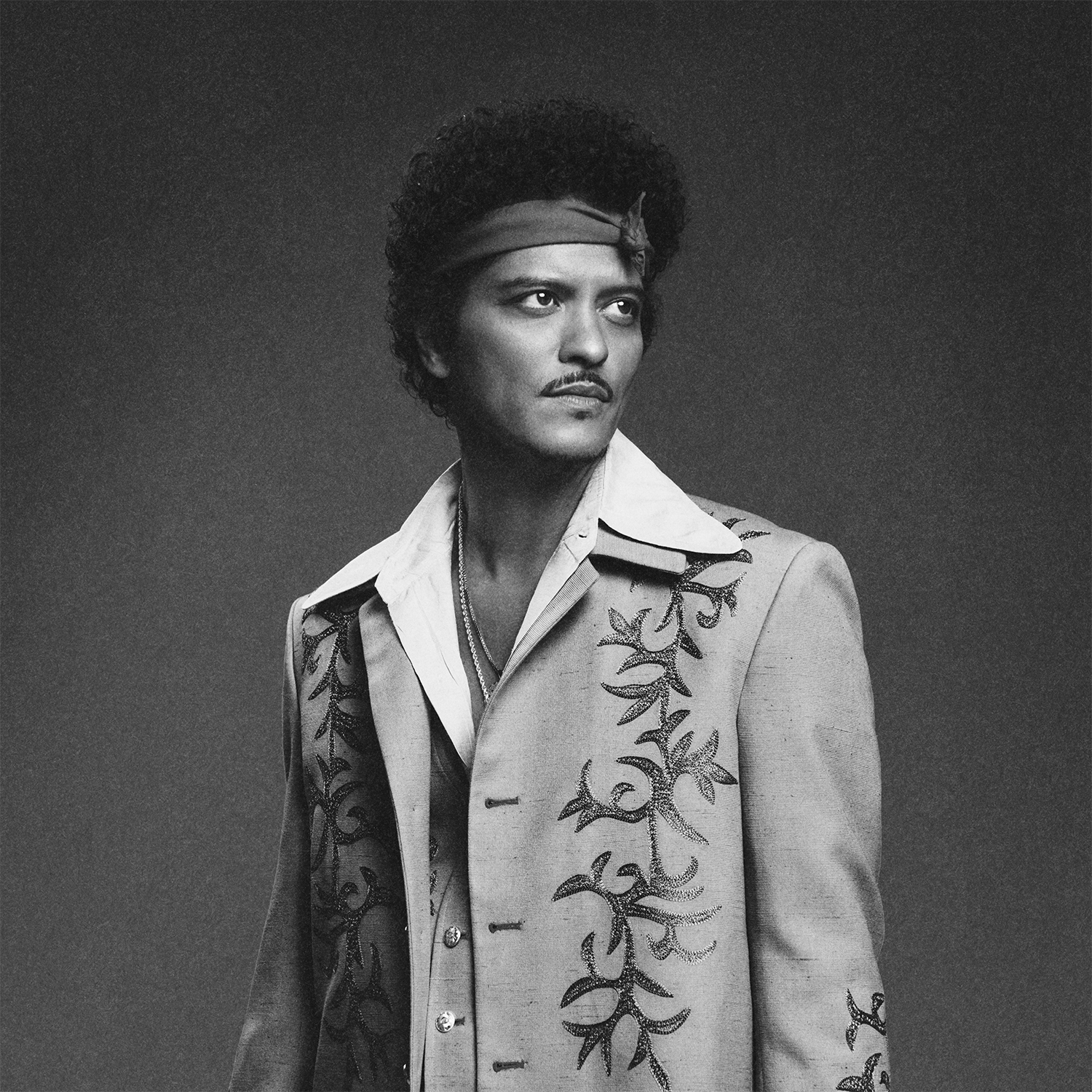
1. Formative Years, Bedroom Demos & Musical Inspiration
Nasir bin Olu Dara Jones was born on September 14, 1973, in Crown Heights, Brooklyn, before moving in his early childhood to the sprawling Queensbridge Houses in Long Island City, Queens—the largest public housing complex in North America. This environment, brimming with raw urban energy, immense socio-economic struggle, and vibrant creative talent, served as the foundational canvas for his artistic voice. Raised in a household steeped in musical tradition, Nasir was profoundly influenced by his father, Charles Jones III, better known as Olu Dara, an accomplished Mississippi-born jazz and blues trumpeter. His mother, Fannie Ann Jones, worked for the United States Postal Service and provided a stabilizing force, nurturing her son’s intellect amidst a neighborhood fraught with systemic poverty and the emerging crack cocaine epidemic of the late 1970s and 1980s.
Growing up in Queensbridge, young Nasir was exposed early to the birth of hip-hop culture. The housing project was already famous as the fertile breeding ground for legendary figures like Marley Marl, MC Shan, Roxanne Shanté, and the Juice Crew. Inspired by the poetic dexterity of Rakim, the cinematic realism of Kool G Rap, and the musicality played by his father, Nasir began writing his own rhymes under the moniker “Kid Wave” before adopting the name “Nasty Nas.” His formal schooling came to an abrupt halt after the eighth grade when he dropped out of IS 145 in Queens. However, far from abandoning his intellectual pursuits, Nas embarked on an intensive journey of self-education. He immersed himself in African history, religious texts, classic literature, political philosophy, and the complex realities of street economy, forging a sophisticated literary sensibility that would eventually earn him accolades as one of rap music’s premier poets.
Tragedy struck his youth early and left indelible scars on his worldview. In May 1992, his close friend and neighbor, Willie “Ill Will” Graham, was shot and killed in Queensbridge, while Nas’s brother, Jabari “Jungle” Jones, was wounded in the same incident. The devastating loss of his companion galvanized Nas, sharpening his resolve to channel the harrowing lived experiences of urban youth into enduring, conscious hip-hop art. The gritty realism, existential grief, and hardened resilience stemming from Queensbridge became the emotional backbone of his early musical compositions.

2. Stepping onto the Stage: Viral Tracks & First Record Deal
The musical ascension of Nas began with a series of pivotal underground underground appearances that sent shockwaves through the New York hip-hop scene. In 1991, at just seventeen years old, he landed a landmark guest verse on Main Source’s track “Live at the Barbeque,” produced by Large Professor. Stepping to the microphone with cold precision, Nas delivered an opening line that immediately etched itself into rap lore: “Kidnapped the President’s daughter, chopped her ugly head off / And burned down the White House, just to get my point across.” The verse showcased an extraordinary technical command, surreal imagery, and an effortless cadence that heralded the arrival of a generational lyricist.
Recognizing his extraordinary gift, Columbia Records A&R executive Faith Newman signed the teenage prodigy to a major label contract in 1992. Under the guidance of established producers, Nas contributed the track “Halftime” to the soundtrack of MC Serch’s film Zebrahead later that year. “Halftime” solidified his reputation as the premier newcomer in East Coast hip-hop, featuring intricate internal rhymes over a classic boom-bap arrangement. The song served as the lead promotional blast for what would become one of the most anticipated debut projects in contemporary music history.
On April 19, 1994, Columbia Records released Illmatic. Assembled by a dream team of East Coast producers—including DJ Premier, Large Professor, Pete Rock, Q-Tip, and L.E.S.—the ten-track album offered a dense, poignant, and unfiltered portrait of life in Queensbridge. Tracks like “N.Y. State of Mind,” “The World Is Yours,” “Life’s a Bitch,” and “One Love” combined street narratives with philosophical commentary and jazz-sampled instrumentals. Though initial commercial sales were modest compared to the immediate blockbusters of the era, critical reception was overwhelmingly ecstatic. The Source magazine awarded the album a rare, coveted 5-Mic rating. Illmatic shifted the epicenter of hip-hop back toward New York, redefining rhyme structures, storytelling techniques, and production standards forever.
3. Peak Musical Era: Sonic Transformations & Global Masterpieces
3.1. Signature Hits & Chart-Topping Breakthroughs
Following the monumental critical acclaim of Illmatic, Nas faced immense pressure to translate his artistic prestige into mainstream commercial success. He aligned himself with music executive Steve Stoute and formed a creative association with the production team Trackmasters. On July 2, 1996, he released his sophomore album, It Was Written. Departing somewhat from the raw, stark minimalism of his debut, the album introduced the world to the alter ego “Nas Escobar,” diving into mafioso rap themes, polished production, and opulent street tales. Debut single “If I Ruled the World (Imagine That),” featuring Lauryn Hill, became an international crossover hit, propelling the album to the top of the Billboard 200 chart and achieving multi-platinum status.
In 1997, Nas expanded his commercial reach by co-founding the hip-hop supergroup The Firm alongside Foxy Brown, AZ, and Nature (who replaced Cormega following internal friction). Executive produced by Dr. Dre and Steve Stoute, The Firm released their self-titled album The Firm: The Album in October 1997. Despite massive commercial expectations and landing a Billboard #1 slot, the project met with mixed reviews from purists who felt the polished pop-gloss diminished the gritty lyricism of its members. Nevertheless, it marked an era of high-stakes corporate expansion for Nas.
Nas continued his commercial dominance into the late 1990s with the release of two albums in 1999: I Am… in April and Nastradamus in November. I Am… debuted at #1 on the Billboard 200 and contained mega-hits like “Nas Is Like” and “Hate Me Now” featuring Puff Daddy. However, the production phase was severely disrupted by bootlegging; initial double-album material leaked online prematurely, forcing Columbia Records to restructure the project. The resulting rush produced Nastradamus, which achieved platinum certification but received the cool critical reception of his career up to that point, prompting industry critics to question if the prodigy had lost his creative compass.

3.2. World Tours, Headline Festivals & Concert Spectacles
The dawn of the 21st century sparked one of the most dramatic artistic resurgences in modern music. Re-energized by personal tragedies, public skepticism, and a brewing rivalry with Brooklyn rapper Jay-Z, Nas delivered his fifth studio album, Stillmatic, on December 18, 2001. Widely hailed as a triumph of lyrical authority, Stillmatic directly confronted his critics and rivals. Driven by the incendiary dis track “Ether” and classic anthems like “Got Ur Self A…” and “One Mic,” the album debuted at #5 on the Billboard 200, achieved double-platinum status, and restored Nas to the pinnacle of rap royalty.
Capitalizing on this restored artistic momentum, Nas released God’s Son in December 2002. Deeply affected by the death of his mother, Fannie Ann Jones, from cancer earlier that year, the album revealed a vulnerable, reflective lyricist processing grief amidst fame. Songs like “I Can,” which sampled Beethoven’s “Für Elise” to empower black youth, became a global radio staple, while tracks like “Get Down” and “Made You Look” showcased his unmatched boom-bap storytelling. God’s Son achieved widespread critical acclaim and solid platinum sales.
In November 2004, Nas pushed double-album ambitiousness to new heights with Street’s Disciple. Featuring sprawling narratives on love, marriage, politics, and racial identity, the project featured collaborations with his father Olu Dara (“Bridging the Gap”) and highlighted his maturing worldview. By 2006, in a landmark historical twist, Nas signed with Def Jam Recordings—then headed by his former rival Jay-Z. Under Def Jam, Nas released a string of critically charged albums: Hip Hop Is Dead (2006), which sparked nationwide debates on the genre’s corporate stagnation; the un-titled, highly controversial political album Untitled (2008); and Life Is Good (2012), a deeply personal masterwork reflecting on divorce, fatherhood, and middle-age growth that earned universal praise and multiple Grammy nominations.

3.3. Genre-Defying Collaborations & Musical Legacy
While Nas had long been recognized as a foundational pillar of hip-hop culture, formal industry awards often eluded him during the 1990s and 2000s—a historic anomaly that sparked frequent criticism of major awards institutions. Despite fourteen Grammy nominations across three decades, it was not until the 2020s that Nas achieved formal Grammy validation. In August 2020, Nas released King’s Disease, produced entirely by Hit-Boy. The album showcased a refined, elder-statesman perspective blended with modern production aesthetics. At the 63rd Annual Grammy Awards in 2021, King’s Disease officially won the Grammy Award for Best Rap Album.
This success inaugurated an extraordinary creative run alongside Hit-Boy that defied standard industry age conventions. The duo went on to release an unprecedented series of six critically acclaimed albums in rapid succession: King’s Disease (2020), King’s Disease II (2021), Magic (2021), King’s Disease III (2022), Magic 2 (2023), and Magic 3 (2023). This unprecedented streak was celebrated across global music journalism as one of the most remarkable late-career runs in contemporary music history, proving that rap music could mature gracefully while maintaining technical mastery.
Beyond traditional albums, Nas’s stature as a visionary executive led to the establishment of Mass Appeal Media Group, where he serves as co-owner, driving journalism, film production, and an independent record label home to legendary and emerging talent alike. His artistic legacy has been honored by academic institutions globally, including Harvard University, which established the Nasir Jones Hip-Hop Fellowship in 2013 to support scholars and artists showing exceptional promise in hip-hop arts.
4. High-Profile Romances, Personal Triumphs & Inner Circle
Nas’s personal life has frequently unfolded under intense media scrutiny, marked by profound family bonds, high-profile romances, and complex domestic transitions. In his early twenties, Nas welcomed his first child, a daughter named Destiny Jones, born on June 15, 1994, to his then-fiancée Carmen Bryan. His relationship with Bryan was volatile and eventually ended, leading to public spats in subsequent years that were documented in both artists’ song lyrics and Bryan’s candid tell-all memoir published in 2006.
In 2002, Nas began a high-profile romance with R&B singer Kelis (Kelis Rogers) after meeting her at an MTV Video Music Awards afterparty hosted by Sean Combs. The magnetic pairing of East Coast rap royalty and an avant-garde R&B star captivated pop culture. The couple got engaged in 2003 and married in a lavish ceremony in Atlanta in January 2005. Their relationship was celebrated in media as a hip-hop power union. However, after four years of marriage, Kelis filed for divorce in April 2009 while seven months pregnant, citing irreconcilable differences. Their son, Knight Jones, was born in July 2009 amid contentious legal proceedings regarding spousal and child support. The emotional fallout of the divorce directly inspired the cover art and introspective lyrics of Nas’s 2012 album, Life Is Good, where he posed holding Kelis’s green wedding dress.
Following his divorce from Kelis, Nas maintained a relatively private personal life, though he has been linked romantic partners within the entertainment industry, including high-profile dating rumors with music icon Nicki Minaj between 2017 and 2018. Outside of romantic pursuits, Nas maintains a close relationship with his daughter Destiny, who launched her own lip gloss business, and his son Knight. He remains dedicated to honoring his late mother’s memory, frequently citing her values as the anchor of his moral universe. When away from the recording studio, Nas is an avid collector of fine art, historical literature, and vintage timepieces, enjoying a lifestyle split between New York City and Los Angeles.

5. Label Battles, Artistic Feuds & Overcoming Adversity
5.1. 'Ether' vs. 'Takeover': Nasir bin Olu Dara Jones and Jay-Z's Duel for New York
The most iconic media feud in hip-hop history erupted between Nas and Brooklyn rapper Jay-Z in the late 1990s and early 2000s. What began as subtle subliminal jabs on tracks—stemming from Nas’s absence at a recording session for Jay-Z’s 1996 debut Reasonable Doubt—escalated into an all-out lyrical war for the crown of New York following the tragic death of the Notorious B.I.G. The feud burst into open combat at the 2001 Summer Jam festival, where Jay-Z unveiled “Takeover,” a scathing diss track that targeted Nas’s career trajectory since Illmatic and questioned his street credibility.
Undeterred, Nas delivered a devastating counter-strike in December 2001 with “Ether,” featured on Stillmatic. Attack lines, relentless battle-rap cadence, and sharp critique of Jay-Z’s corporate persona instantly captured public imagination. “Ether” became such a landmark moment in pop culture that the rapper’s name turned into a verb within the urban lexicon (“to be Ethered”). Jay-Z responded with “Supa Ugly,” but public polls—including a decisive fan vote on New York’s Hot 97 radio station—declared Nas the victor of the feud. In October 2005, the two titans stunned the music industry by officially ending their hostility onstage at Jay-Z’s “I Declare War” concert in New York, performing together and later collaborating on tracks like “Black Republican” and “BBC.”
5.2. The 'Untitled' Debates, Public Scrutiny, and Financial Resurrection
In October 2007, Nas provoked intense international debate when he announced that his upcoming ninth studio album would be titled Nigger. The proposed title sparked fierce pushback from civil rights leaders, retail distributors, corporate executives, and political commentators. Organizations like the NAACP and politicians such as Jesse Jackson voiced public disapproval, while major retailers threatened to ban the CD from store shelves. Nas defended the choice as an effort to strip the racial slur of its power and spark intellectual dialogue. Ultimately, after months of standoff, the project was officially released untitled in July 2008 as Untitled, though Nas insisted the original title remained in spirit. The album debuted at #1 on the Billboard charts despite the media firestorm.
In April 2018, Nas faced serious public scrutiny when his ex-wife Kelis gave an explosive interview with Hollywood Unlocked, accusing him of physical and mental abuse during their five-year marriage. Kelis alleged that their relationship was characterized by intense dark moments, fueled by alcohol, and asserted that physical altercations had occurred. Nas remained silent for months before issuing a detailed, 7-part public statement on Instagram in September 2018. He vehemently denied the physical abuse allegations, accusing Kelis of fabricated stories to exploit custody battles over their son Knight, and counter-alleged verbal abuse and alienation tactics on her part. The dispute generated significant media coverage during the height of the #MeToo era, forcing fans and critics to navigate complex narratives regarding hip-hop icons.
Additionally, Nas encountered high-profile legal and financial challenges during the late 2000s and early 2010s. The Internal Revenue Service (IRS) filed multiple tax liens against the rapper totaling millions of dollars in unpaid federal taxes, leading to wage garnishments and property liens. Nas publicly addressed his past financial mismanagement, attributing it to poor business management early in his career. He methodically resolved his tax debts through restructuring, disciplined financial planning, and successful portfolio expansions, successfully surmounting the financial adversity that plagued many of his contemporaries.

6. Visual Aesthetics, Streaming Dominance & Fandom Stature
Nas’s impact on global culture extends far beyond sales metrics; he is widely regarded as one of the quintessential architects of modern lyrical rap. His signature style is characterized by multi-syllabic rhyme schemes, complex internal assonance, vivid cinematic imagery, and an effortless, conversational delivery. Known for his ability to write from unconventional perspectives—most famously on the 1996 track “I Gave You Power,” where he narrates life from the first-person point of view of a handgun—Nas transformed rap lyricism into high literature, inspiring generations of hip-hop lyricists including Kendrick Lamar, J. Cole, Lupe Fiasco, and Drake.
Visually and aesthetically, Nas has embodied Queensbridge cool throughout his multi-decade career. From the iconic camouflage jackets, leather bomber jackets, and Timberland boots of his early 90s era to the refined tailor-made suits, custom jewelry, and sleek contemporary fashion of his later years, he has represented authentic East Coast street elegance. His iconic Illmatic cover art—featuring a boyhood photo of Nas superimposed over a Queensbridge street scene—became one of the most imitated album artwork concepts in hip-hop history.
On social media, Nas maintains an authoritative, selective presence across platforms like Instagram and Twitter. Rather than engaging in daily internet sensationalism, he utilizes his accounts to highlight cultural history, promote independent music releases, showcase fine art, and amplify community initiatives. His social media posture reflects his broader persona: an elder statesman of street culture whose posts carry weight, artistic purpose, and quiet dignity.
7. Upcoming Releases, Sound Explorations & What's Next
As he navigates his fifties, Nas shows no signs of slowing his creative output or business expansion. Following the conclusion of his historic six-album collaborative saga with producer Hit-Boy in late 2023, Nas continues to work on new musical material while embarking on sold-out global concert tours. His live performances, often accompanied by full orchestral arrangements—such as his celebrated shows at Carnegie Hall and with the National Symphony Orchestra at the Kennedy Center—continue to elevate hip-hop to prestigious classical venues worldwide.
On the corporate front, Nas remains deeply committed to expanding Mass Appeal, building out its international record label operations, television series, and feature documentary productions focused on global youth culture. He also continues his involvement with social impact initiatives, funding educational tech programs and providing opportunities for underserved communities in New York. With a rich discography, a Grammy-winning late-career revival, and an enduring legacy as rap’s premier poet, Nas continues to shape the past, present, and future of global music.
Nasir bin Olu Dara Jones FAQs: Key Questions Answered
How old is Nas?
Nas was born on September 14, 1973. He is currently 52 years old.
Who is Nas dating or married to?
Nas is currently unmarried. He was previously married to R&B singer Kelis from 2005 until their divorce was finalized in 2010. He keeps his current romantic life relatively private.
What is Nas’s most famous work?
Nas’s most famous and universally acclaimed work is his 1994 debut studio album, Illmatic. It is widely considered by critics and fans to be one of the greatest and most influential hip-hop albums of all time.
What awards has Nas won?
Nas won the Grammy Award for Best Rap Album in 2021 for his project King’s Disease. Over his career, he has earned 16 Grammy nominations, multiple Source Awards, BET Hip Hop Awards, and the prestigious Harvard University Nasir Jones Hip-Hop Fellowship honor.