
Philip Anthony Hopkins: From Port Talbot to RADA and Laurence Olivier's National Theatre
Philip Anthony Hopkins was born on December 31, 1937, in the working-class suburb of Margam in Port Talbot, Glamorgan, Wales. He was the only child of Richard Arthur Hopkins, a hardworking baker, and Muriel Annie Hopkins (née Yeats). Growing up in a modest, pragmatic household during the turbulence of World War II and its immediate aftermath, young Anthony developed an introspective, isolated temperament. He spent long hours in solitary pursuits like drawing, painting, and playing the piano rather than engaging in traditional academic or athletic endeavors.
School was a difficult terrain for Hopkins. He struggled with learning difficulties—later self-identified as dyslexia and mild Asperger’s syndrome—which caused him to feel alienated from his peers and misunderstood by his instructors. His school years at Jones’ West Monmouth Boys’ School in Pontypool and Cowbridge Grammar School in the Vale of Glamorgan were defined by feelings of inadequacy. However, his father’s relentless work ethic left an indelible mark on him, instilling a deep respect for discipline and resilience that would later define his approach to the dramatic arts.
The decisive turning point in Hopkins’ youth arrived when he was fifteen years old. He met the legendary Welsh actor Richard Burton, who also hailed from the Port Talbot area. Burton’s charismatic presence, international success, and magnetic theatrical power served as an immediate beacon of inspiration. Realizing that acting offered an outlet for his intense emotional world and a path out of small-town obscurity, Hopkins enrolled at the Royal Welsh College of Music & Drama in Cardiff, graduating in 1957. Following two years of national service in the British Army Royal Artillery, he moved to London to hone his craft at the prestigious Royal Academy of Dramatic Art (RADA), graduating in 1963 and setting the stage for one of the grandest careers in acting history.

Philip Anthony Hopkins Breaks Out as Richard the Lionheart in The Lion in Winter (1968)
After refining his skills in regional repertory theater, Hopkins caught the eye of Sir Laurence Olivier, the giant of 20th-century British theater. In 1965, Olivier invited Hopkins to join the Royal National Theatre in London, recognizing the young actor’s explosive energy and raw emotional vulnerability. Hopkins famously served as Olivier’s understudy during a production of August Strindberg’s The Father. When Olivier was struck down with appendicitis during the run, Hopkins stepped into the lead role, delivering a performance so fierce and commanding that Olivier wrote in his memoirs: ‘A new young actor in the company of exceptional promise named Anthony Hopkins was understudying me and walked away with the part of Edgar like a cat with a mouse.’
This theatrical triumph quickly opened the doors to cinema. Hopkins made his feature film debut in 1968, playing Richard the Lionheart in the historical drama The Lion in Winter, alongside acting royalty Peter O’Toole and Katharine Hepburn. His portrayal of the conflicted, brooding young prince earned him a BAFTA Award nomination for Best Supporting Actor and instantly established him as an screen actor capable of matching the industry’s supreme talents.
Throughout the 1970s, Hopkins built a formidable reputation on both sides of the Atlantic. He conquered television and film alike, starring as Pierre Bezukhov in the BBC’s epic adaptation of War and Peace (1972), for which he won his first BAFTA Television Award. He also delivered powerhouse turns in film thrillers like A Bridge Too Far (1977) and Magic (1978), demonstrating a chilling psychological complexity that presaged his later masterpiece roles.
Philip Anthony Hopkins Embodies Hannibal Lecter in The Silence of the Lambs (1991)
Philip Anthony Hopkins Masterclasses: The Remains of the Day, Nixon, and The Two Popes
While Hopkins had established himself as a critical darling and a titan of classical stage and television by the late 1980s, global cinematic immortality arrived in 1991 with Jonathan Demme’s psychological horror thriller The Silence of the Lambs. Cast as Dr. Hannibal Lecter—a brilliant forensic psychiatrist and cannibalistic serial killer—Hopkins delivered a performance that fundamentally altered popular culture. Despite appearing on screen for less than 25 minutes of total running time, Hopkins dominated the film with his still, unblinking intensity, hypnotic vocal cadence, and terrifying intelligence.
The Silence of the Lambs became a cultural landmark and a box-office phenomenon, sweeping the ‘Big Five’ Academy Awards. Hopkins was awarded the Academy Award for Best Actor in 1992, along with a BAFTA and worldwide acclaim. His portrayal of Lecter was officially designated by the American Film Institute as the greatest screen villain in cinematic history, elevating Hopkins from a respected character actor to an iconic superstar.

Philip Anthony Hopkins Takes Hollywood: Bram Stoker's Dracula, Thor, and Westworld
The 1990s marked a golden era of extraordinary artistic productivity for Hopkins. Rather than allowing himself to be typecast as a villain, he immediately demonstrated his immense versatility by taking on a series of profoundly emotional, nuanced roles in prestigious period dramas and biographical films.
In 1993, Hopkins delivered what many critics regard as his masterwork of subtlety in James Ivory’s film adaptation of Kazuo Ishiguro’s novel The Remains of the Day. Playing James Stevens, an intensely repressed British butler whose duty blinds him to political realities and personal love, Hopkins earned another Academy Award nomination. That same year, he starred as author C.S. Lewis in Shadowlands, earning universal praise for his poignant depiction of grief and love. He followed these achievements with towering performances in Legends of the Fall (1994), Oliver Stone’s Nixon (1995)—which earned him his third Oscar nomination—and Steven Spielberg’s historical drama Amistad (1997), which brought his fourth Oscar nomination.
By the end of the 1990s and entering the 2000s, Hopkins seamlessly bridged the gap between arthouse prestige and blockbuster entertainment. He starred in action hits like The Mask of Zorro (1998), reprised his signature role as Hannibal Lecter in Hannibal (2001) and Red Dragon (2002), and captured the hearts of comic book fans worldwide when he joined the Marvel Cinematic Universe as Odin, the King of Asgard, in Thor (2011), Thor: The Dark World (2013), and Thor: Ragnarok (2017).
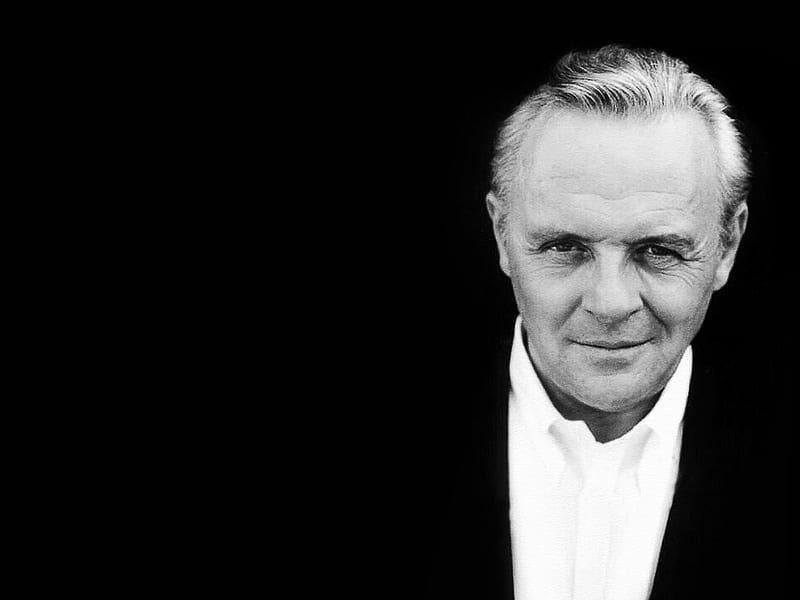
Philip Anthony Hopkins Makes Oscar History: Two Best Actor Wins from Lambs to The Father
Far from resting on his laurels in the later decades of his life, Hopkins experienced an astonishing artistic renaissance. In 2016, he headlined HBO’s sci-fi masterpiece series Westworld as Dr. Robert Ford, earning an Emmy nomination for his complex portrayal of a visionary theme park creator. Then, in 2020, Hopkins delivered a career-defining performance in Florian Zeller’s The Father, portraying an elderly man wrestling with the harrowing deterioration of dementia.
His performance in The Father was hailed by critics as one of the finest acting feats of the 21st century. At the 93rd Academy Awards in April 2021, Hopkins won the Academy Award for Best Actor for his role in The Father. At age 83, he became the oldest performer in history to win a competitive acting Oscar, underscoring his unprecedented artistic endurance and supreme mastery of the craft. Over his six-decade career, his accolades include two Academy Awards, four BAFTAs, two Primetime Emmy Awards, and the Cecil B. DeMille Award for lifetime achievement. He was knighted by Queen Elizabeth II at Buckingham Palace in 1993 for services to the arts.
Philip Anthony Hopkins Beyond the Screen: Marriages, Stella Arroyave, and Life in Malibu
Behind the theatrical genius lies a complex personal life marked by high-profile marriages, personal struggles, and eventual emotional redemption. Hopkins has been married three times. His first marriage was to English actress Petronella Barker in 1966. The union was tumultuous and brief, ending in divorce in 1972. The couple had one daughter, Abigail Hopkins, born in 1968. Hopkins’ relationship with Abigail has been notoriously estranged for decades, a subject the actor has rarely discussed publicly, emphasizing his belief in respecting individual autonomy and accepting life’s painful fractures.
In 1973, Hopkins married his second wife, production assistant Jennifer Lynton. Their marriage lasted nearly three decades, enduring through the turbulent heights of his rise to international fame, before culminating in an amicable divorce in 2002. In 2003, Hopkins married Colombian-born antique dealer and producer Stella Arroyave. Hopkins frequently credits Stella with saving his life, bringing peace, warmth, joy, and stability to his later years.
Outside of dramatic acting, Hopkins is a multi-talented artist. He is an accomplished pianist and classical composer whose work has been performed by world-renowned orchestras; his 1964 waltz, ‘And The Waltz Goes On’, was recorded and performed live by André Rieu to immense international acclaim. Additionally, Hopkins is a passionate visual painter, regularly displaying his vibrant expressionist canvas works in art galleries worldwide. He maintains a healthy, disciplined lifestyle, residing in Malibu, California, while holding dual British and American citizenship.

Philip Anthony Hopkins Navigating Set Conflicts, Stage Exit, and Rebuilding Career Momentum
Philip Anthony Hopkins Reclaims Life: 1975 Sobriety Breakthrough and Personal Renewal
While Anthony Hopkins has avoided explicit legal or criminal scandals throughout his illustrious life, his greatest personal crisis and professional hurdle was his severe battle with alcoholism during his early career in the late 1960s and early 1970s. During his years with the Royal National Theatre and his initial foray into film, Hopkins developed a reputation for being volatile, unpredictable, and difficult to direct—temperamental traits fueled heavily by heavy drinking.
The crisis reached its peak on December 29, 1975. Hopkins awoke in a hotel room in Phoenix, Arizona, with no recollection of how he had gotten there or how he had driven his vehicle. Recognizing that his addiction was actively destroying his health, sanity, and artistic gifts, he made the immediate decision to seek help through Alcoholics Anonymous. Hopkins has remained completely sober ever since. He has openly used his platform for over four decades to mentor others struggling with addiction, frequently posting inspirational annual sobriety anniversary messages that resonate deeply with millions across the globe.
Philip Anthony Hopkins Departs The National Theatre's Antony and Cleopatra to Focus on Film
In the early stage of his career, Hopkins’ fierce independence and intense perfectionism occasionally led to sharp clashes with theatre producers and directors. The most publicized incident occurred in 1989 during a West End production of Shakespeare’s Mthan Macbeth at the National Theatre. Feeling overwhelmed by the repetitive nature of theatrical runs and suffering from acute exhaustion, Hopkins walked out mid-run during a performance, swearing off live theater for decades.
The media backlash in the British theater community was swift, with critics questioning his reliability and professionalism. However, Hopkins confronted the fallout directly by transitioning his full creative focus to cinema, where the condensed, highly focused nature of film acting suited his methodical working style. Through absolute dedication to his craft—memorizing his script lines up to 250 times before stepping onto a set—he completely rebuilt his industry reputation, becoming recognized worldwide as one of the most reliable, efficient, and professional actors in Hollywood history.

Philip Anthony Hopkins: Knighthood, Classical Piano Compositions, and Visual Art Exhibitions
Anthony Hopkins occupies a unique position in global modern pop culture. Known for decades as a formidable, serious dramatic titan, he shocked and delighted the internet in his eighties by becoming an improbable, wildly beloved social media icon. Across platforms like Instagram, TikTok, and Twitter, Hopkins regularly shares joyous, uninhibited videos of himself dancing to Latin rhythms, playing the piano for his beloved cat Niblo, painted in colorful aprons in his studio, and sharing wise, uplifting life philosophies.
His viral presence has bridged a massive generational gap, endearing him to Gen Z and millennial audiences who adore his vibrant zest for life, humor, and complete lack of pretension. Stylistically, whether donning elegant suits on red carpets or eccentric, colorful vacation shirts in his home studio, Hopkins exudes an effortless warmth and authenticity. His cultural impact is monumental: he pioneered a style of psychological screen acting that blends absolute stillness with profound emotional power, influencing generations of actors including Javier Bardem, Mads Mikkelsen, and Bryan Cranston.
Philip Anthony Hopkins Late-Career Flourish: Freud's Last Session and Rebel Moon
Even in his late eighties, Sir Anthony Hopkins displays zero intention of slowing down. He continues to select bold, challenging roles across film, television, and digital art mediums. In recent years, he portrayed Sir Nicholas Winton in the critically acclaimed biographical film One Life (2023), delivering a deeply moving performance as the humanitarian who saved hundreds of children from the Holocaust. He also took on the role of Sigmund Freud in Freud’s Last Session (2023), engaging in philosophical debates opposite Matthew Goode.
Looking to future horizons, Hopkins continues to expand his artistic empire. He is actively composing new classical musical suites, releasing fine art collections, and starring in major international film projects. His extraordinary career remains a living testament to continuous self-reinvention, proving that artistic vitality, curiosity, and creative excellence know no age limit.
Philip Anthony Hopkins FAQs: Key Questions Answered
How old is Anthony Hopkins?
Sir Anthony Hopkins was born on December 31, 1937. As of 2026, he is 88 years old.
Who is Anthony Hopkins married to?
Sir Anthony Hopkins has been married to Colombian-born producer and antique dealer Stella Arroyave since 2003. He was previously married to Petronella Barker (1966–1972) and Jennifer Lynton (1973–2002).
What is Anthony Hopkins’s most famous role?
Anthony Hopkins is most famous for his iconic role as Dr. Hannibal Lecter in the 1991 psychological horror film The Silence of the Lambs, which earned him his first Academy Award for Best Actor.
How many Academy Awards has Sir Anthony Hopkins won?
Anthony Hopkins has won two Academy Awards for Best Actor: first for The Silence of the Lambs (1991) and second for The Father (2020).


